The Tiny Black Star-Eating Voids
"Astrophage on me star. Bad, bad, bad, bad, bad..."
Sunskritha R Shivaprasad
7/16/20265 min read

is only hypothetically possible and has not been demonstrated experimentally. However, neutrinos are particles that pass through our body harmlessly and undetected. This means it is not theoretically possible for Astrophages to trap neutrinos. To explain how Atrophage membranes were capable of storing neutrinos that fuel their essential journey to Venus, Weir introduced his own fictional quantum effect called “super cross-sectionality.
A Molecular Biologist Saves the Sun from Star-eating Microbes called Astrophage.
The Art Gene
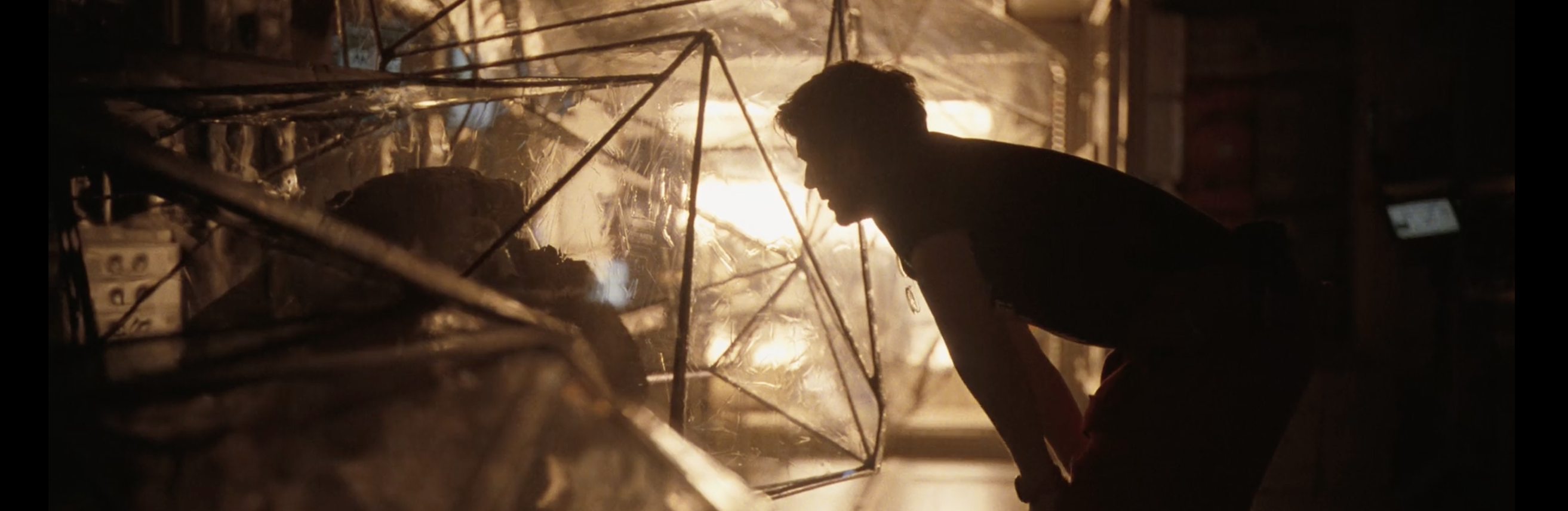

This is the Sci-fi movie adapted from Andy Weir’s 2021 novel of the same name that we’re talking about. Project Hail Mary stars Ryan Gosling as Ryland Grace, a middle school teacher and molecular biologist who wakes up on the spacecraft Hail Mary, unsure of how he got there. As Ryland journeys into space, he and his new alien friend Rocky investigate why the star Tau Ceti is immune to the Astrophages.
It’s not every day that we see the main character is a molecular biologist. So let’s break down the real science of it all.
In this quantum effect, the Astrophage relies on Einstein’s famous mass-energy equivalence equation, E=mc^2, to convert solar energy into mass. This equation establishes that mass (m) can be converted into energy (E) and vice versa, and that they are the same physical entities. In this equation, c^2 acts as a conversion factor, implying that even a small mass stores such a large amount of energy. This is why a single gram of uranium can release about 200 million joules of energy. Once the Astrophage converts all the energy into mass, it converts it back into infrared radiation. In line with Einstein’s theory of special relativity, this infrared radiation emitted has some momentum that allows the microbe to propel to the nearest carbon dioxide-rich source (Venus in our solar system). Once in reach of some carbon dioxide, the microbe can reproduce. Then, along with its offspring, it travels back to an energy-rich star, completing its lifecycle.
Weir told Scientific American that the actors are “very much a part of the creative process,” and even consulted on set to maintain scientific accuracy. A central part of the story is the Astrophages. Weir’s “star eaters” are alien microbes that were slowly consuming the sun’s energy, leading to its extinction. But how realistic are they?
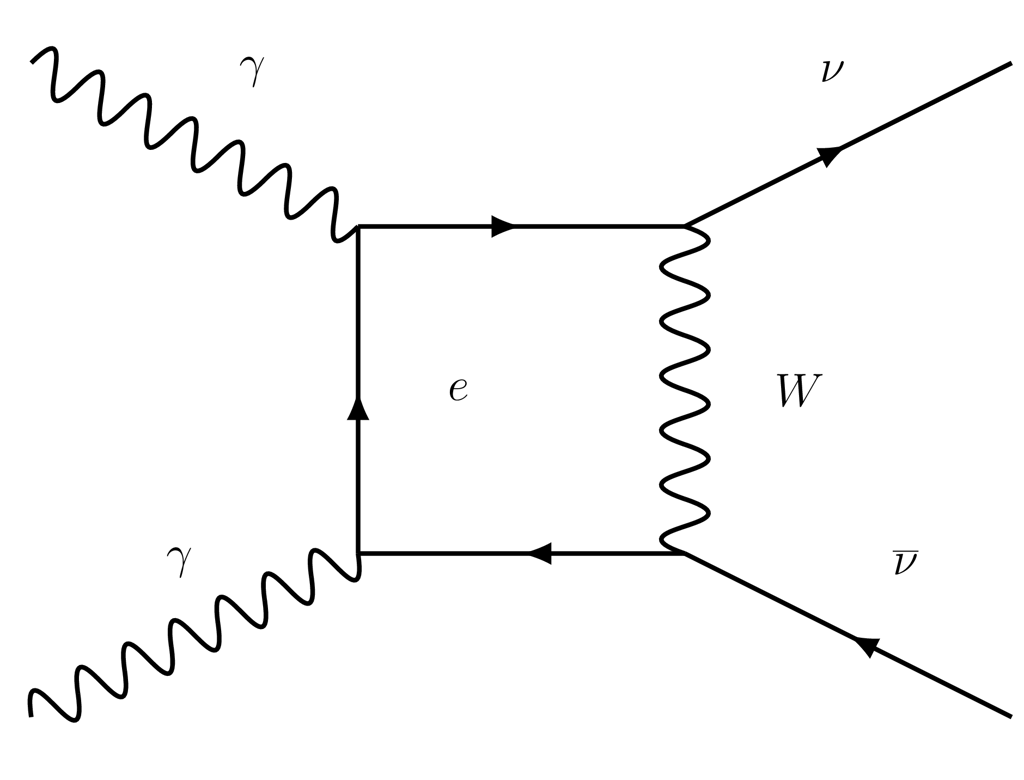
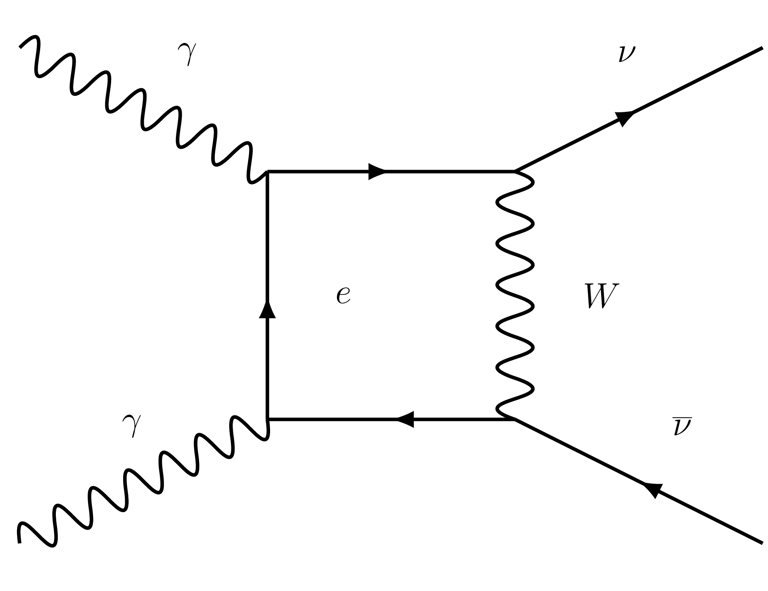
Proton-proton collisions (pair production) resulting in the formation of Majorana neutrinos.
with negligible non-zero mass. As of now, this process
Weir’s tiny living voids were said to be able to absorb energy from the sun (in the form of positively charged particles called protons) and convert it into mass. These absorbed protons undergo high-energy collisions, forming Majorana neutrinos–fundamental neutral subatomic particles
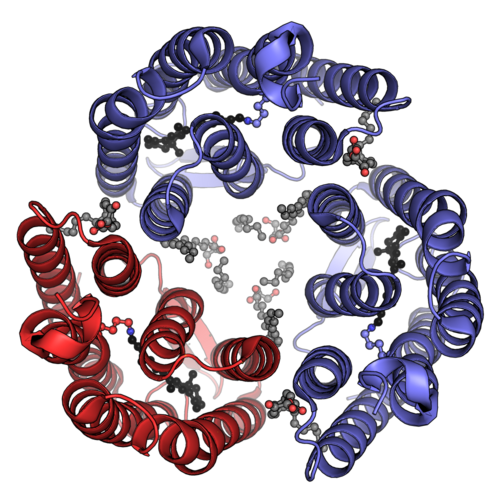
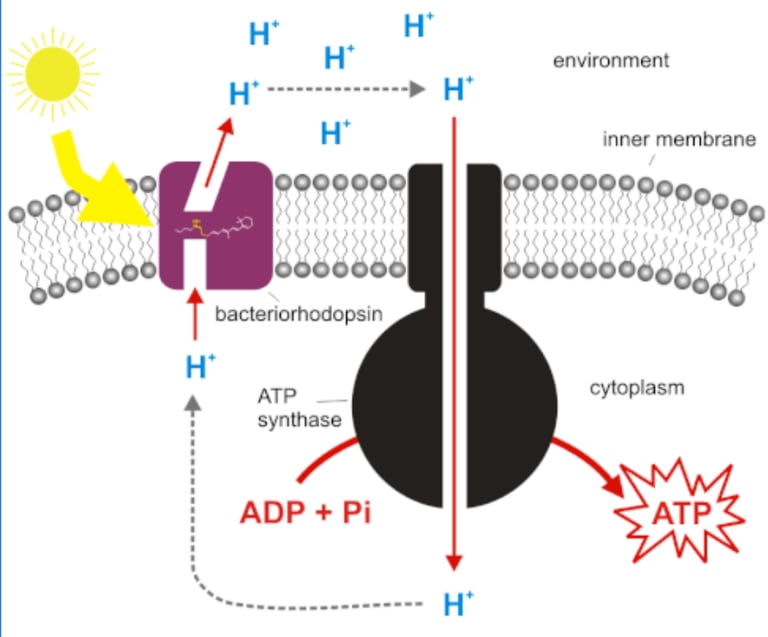
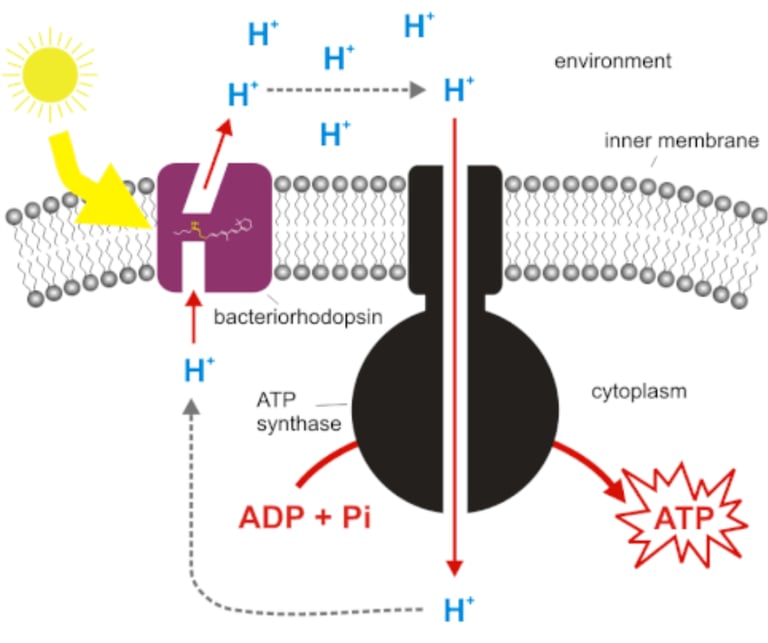
In real life, there is nothing remotely similar to a membrane that is equipped with “super cross-sectionality,” but it is a key characteristic for the Astrophage’s survival. The closest analogue we have is bacteriorhodopsin (BR) in Halobacterium salinarum and Proteorhodopsin (PR) in marine Eubacteria. Halobacterium salinarum in particular is an extremophile–an organism that is able to thrive in extreme environments–and lives in extremely saline environments.
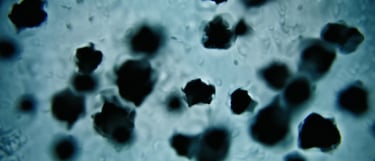
The star-eating Astrophages under the microscope from the movie.
Both BR and PR are light-driven transmembrane protein proton pumps. They both use light-sensitive pigments to convert sunlight into usable chemical energy by pumping protons across the cell membrane to generate a proton-motive force for ATP synthesis. This allows the organisms to generate chemical energy in oxygen-depleted environments without relying on cellular respiration. A distinguishing characteristic between BR and PR is that Bacteriorhodopsins have specialized “proton storage and release” groups that temporarily store protons, similar to the complex workings of an Astrophage's ability to store neutrinos.
While Astrophages may only exist in fiction, many of their analogous characteristics exist in real biology. Adaptations found in a variety of organisms reveal that nature can create solutions that once seemed unimaginable. Project Hail Mary’s Astrophages may not completely defy scientific thought, but it also urges us to question how it can truly be possible. And if it hypothetically is, can we create something as intriguing and efficient as nature’s living machines do? Despite the dash of fiction in this sci-fi adventure, Project Hail Mary still leaves us inspired to discover more of the unknown, and that microorganisms can be far more equipped than we think.
P.S. Please get Ryland to balance the centrifuge next time.
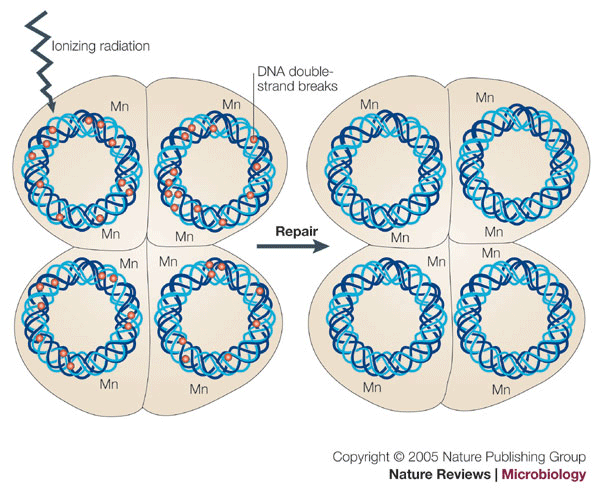
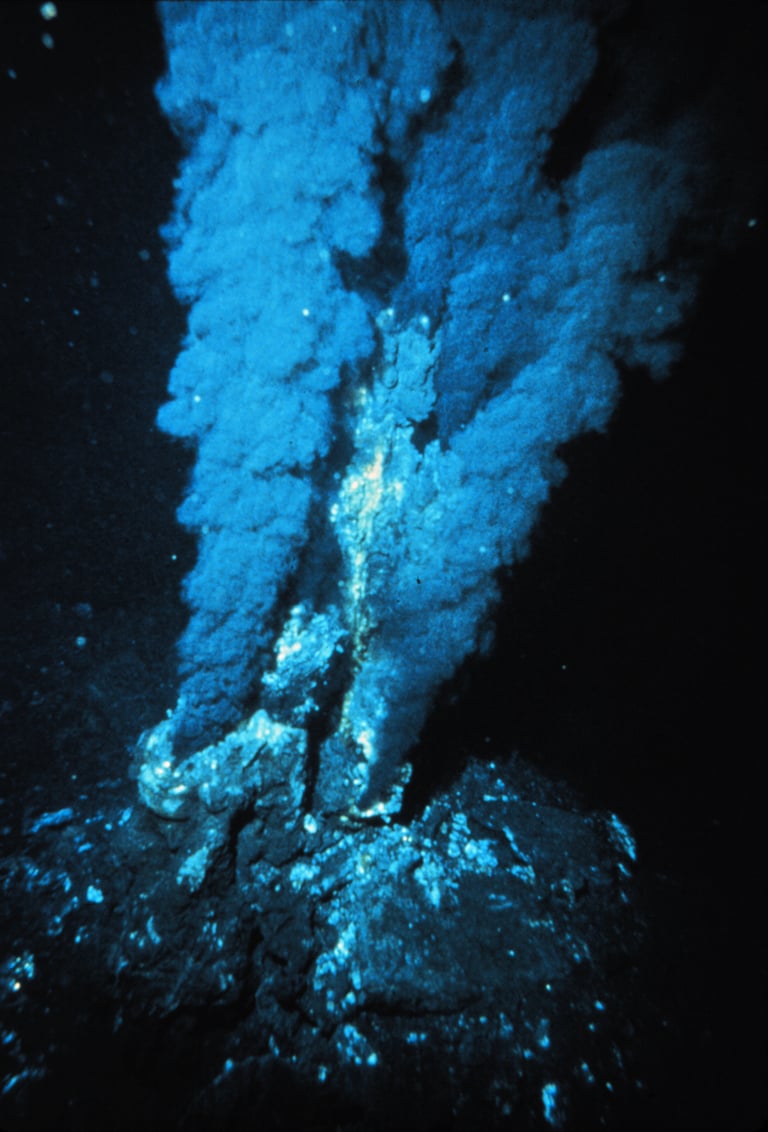
The Astrophage’s “super cross-sectionality” also allows it to withstand heat and radiation. ‘Cause how else would astrophage withstand the sun’s high energy in the first place? Thermophiles such as Methanopyrus kandleri (that thrive in 80-100Deg C, temperatures that astrophages maintain) use lipids with an overabundance of cholesterol-like compounds to stabalize their membranes and contain enzymes that can function in extreme temperatures. A real-world example of radiation resistance is Deinococcus radiodurans . This bacterium has the ability to withstand 15000 grays of ionizing radiation without sustaining any mutations or damage, a dose that is 3000 times lethal for a human being. Radiation can generate reactive oxygen species that damage proteins, but the microbe prevents this by utilizing an antioxidant shield made of manganese and peptides. And when its DNA does get damaged, D. radiodurans uses a mechanism called extended synthesis-dependent strand annealing–a process in which fragmented DNA pieces undergo extensive DNA synthesis using overlapping homologous regions as templates, after which the newly synthesized strands anneal and are ligated together to reconstruct the genome. The microbe also keeps multiple copies of its genome, about 4-10 copies, that can be used as templates to perfectly reassemble broken DNA.
A model of bacteriorhodopsin (left) and Halobacterium salinarum bacteriorhodopsin homotrimer viewed from the cytoplasm (right).
Hydrothermal vents called "Blacksmokers" where Methanopyrus kandleri thrives. They can survive temperatures up to 122 degrees C.
Manganese coating that prevent DNA damage when subjected to ionizing radiation in Deinococcus radiodurans .
